
When I was a teenager, my grandmother told me that her grandmother, “Nana,” marched for women’s suffrage.
What impressed my grandmother was not just that Nana walked the streets with throngs of other women clamoring for voting rights; it was that she did so despite being a woman who personally had little to gain from equal suffrage.
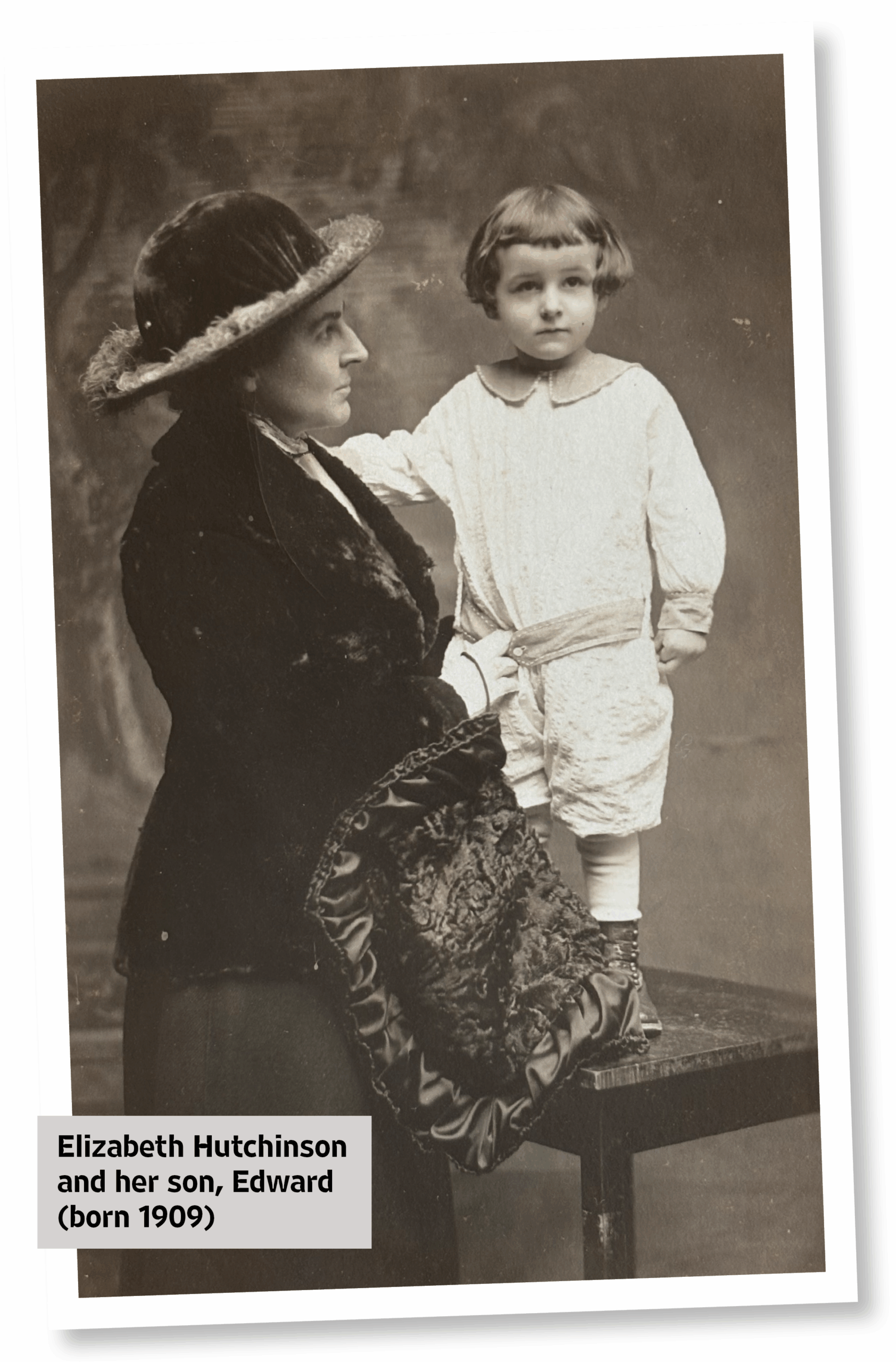
Nana was a married, middle-aged mother who, as my grandmother put it, “wore black chiffon at night.” In other words, she was a woman of means. As such, Nana benefited from the status quo. Practically speaking, she had reason to resist change. Still, she believed women should have the right to vote. So, she marched.
She also wrote.
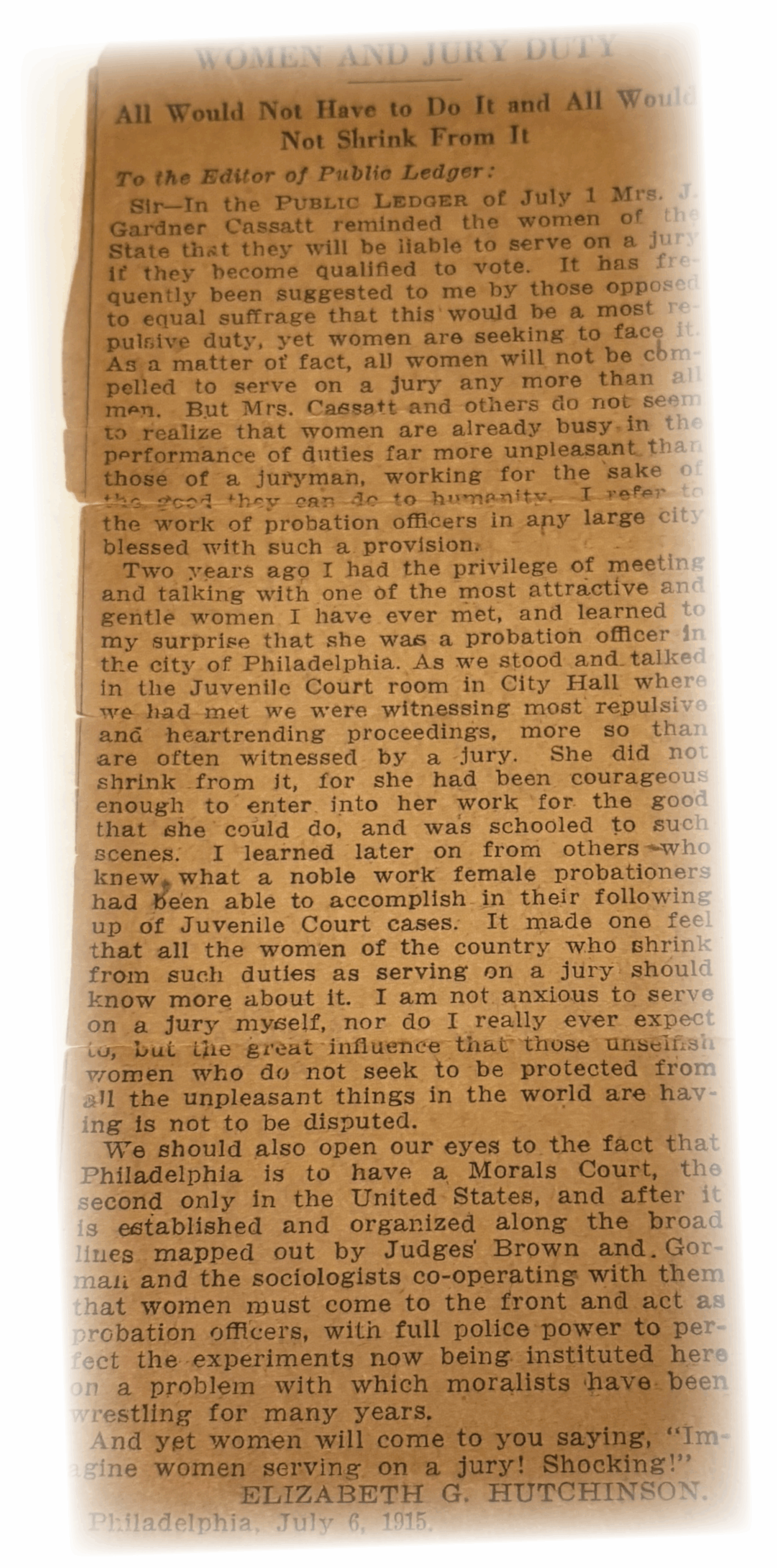
In a Letter to the Editor dated July 6, 1915, Nana, a/k/a Elizabeth G. Hutchinson, responded to a letter from “Mrs. J. Gardner Cassatt.” Mrs. Cassatt had warned that, if permitted to vote, women would be subject to jury duty, an unpleasant role unfit for women; per Cassatt and other anti-suffragists, it would not be appropriate for women to serve on juries, and, in order to avoid such an untenable situation, women would have to be denied the right to vote.
Nana’s rejoinder was published under the title Women and Jury Duty: All Would Not Have to Do It and All Would Not Shrink From It.
In the Letter, Nana first points out that not all women would have to serve on juries, as the same excuses for jury service that existed for men would also apply to women. She then describes meeting a female probation officer in a Juvenile Court and witnessing “most repulsive and heartrending proceedings” alongside her.
According to Nana, if this probation officer and others like her — “unselfish women who do not seek to be protected from all the unpleasant things in the world” — could engage in their “noble work,” the rest of womanhood could withstand the limited hardship of jury duty. The vague specter of female jury service was no reason to deny the female vote.
My aunt recently discovered Nana’s Letter, and, with her help, I learned as much as I could about Nana.
Born July 13, 1870, Nana was the daughter of James Kanely, a peach farmer in Middletown, Delaware.
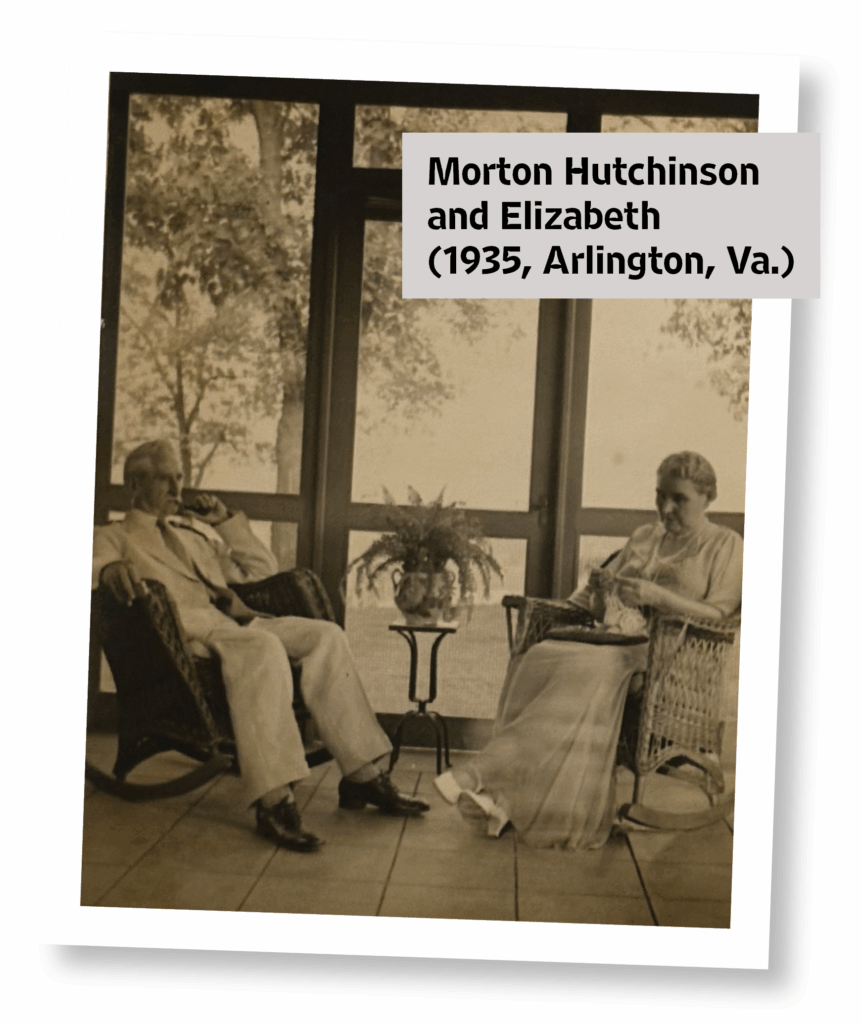
Not much is known of her early years, but she married Morton Clement Hutchinson, a man ten years her senior, at age 22. Mr. Hutchinson would eventually become the Superintendent of Machinery of the highly successful New York Shipbuilding Corporation, the world’s largest shipyard when the United States entered World War I in 1917.
As of the date of her Letter, Nana was just a few days shy of 45 and had four children. My grandmother’s story checked out: Nana had indeed been a wealthy, middle-aged mom while also toiling as a suffragette working to convince society that women could withstand jury duty.
In 2002, just 87 years after my great-grandmother’s Letter, I was sworn in as a lawyer, a full-fledged officer of the court.
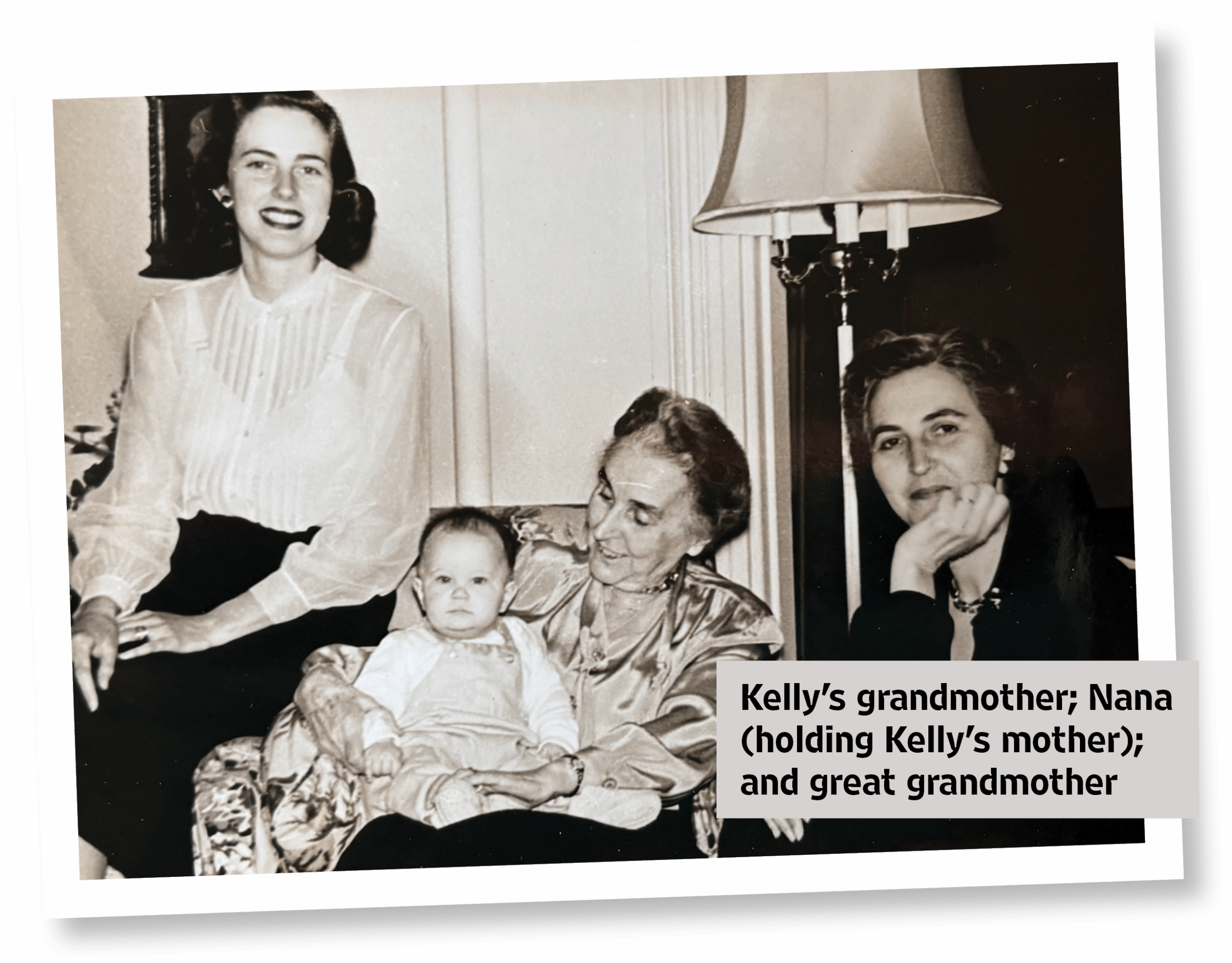
Nana’s past is not so distant. Only three women separate Nana and me: my great-grandmother, my grandmother, and my mother. I have a picture of all four of them together in 1952. I wonder if any of them, all eldest daughters themselves, could have fathomed that the next eldest daughter in line would join the legal profession. Could they have imagined that she would one day write judicial opinions for the federal court? Would they have believed that she would become a general counsel of publicly traded companies? Would they have viewed legal work to be unpleasant, noble, or both?
It is no doubt interesting to contemplate Nana’s Letter as a representation of legal and feminist history. As a representation of her spirit, it has deeper meaning for me.
My great-great-grandmother saw a misconception in society that was directly contradicted by her own experience. Unwilling to let the error stand unchallenged, she took the risk of publicly stating her case despite the prospect of little to no personal gain. A few years ago, when I was a mid-40s mother in a comfortable place in life, I began sharing my experience of working successfully as a lawyer with bipolar disorder — something many believe to be impossible.
Elizabeth G. Hutchinson would have done the same.
Kelly Rentzel has been the general counsel at three publicly traded companies.