
Publisher’s note: The Texas Lawbook is pleased to offer this column in partnership with Texas-based Half Price Books sharing our readers’ favorite reads. “My Five Favorite Books” will publish every other Wednesday. Please email brooks.igo@texaslawbook.net for more information.
Being a lawyer is about more than giving sound legal advice. At its best, it is about helping people make thoughtful decisions with clarity and confidence. It is about managing risk without losing sight of opportunity. And it is about building trust so that when the stakes are highest, people turn to you not just for answers, but for judgment. Over nearly 25 years practicing law, I have seen firsthand that technical expertise is only part of the equation. The lawyers who have the greatest impact are those who know how to lead. They bring perspective in moments of uncertainty. They help organizations move forward. And they earn the confidence of executives and directors not only through what they know, but through how they show up.
This realization led me to create the Lawyers as Leaders course and the Initiative on Lawyers as Leaders at the University of Houston Law Center. My goal is to help lawyers develop leadership skills early, so they are prepared not just to advise, but to guide. Leadership is not something that begins when you receive a title. It is something you build over time, through habits, relationships, and intentional growth.
The following five books have shaped how I think about leadership and how I approach my work with executives, boards, and legal teams. Each offers practical lessons that I return to regularly.
Relationships at Work – Rachel B. Simon

If there is one constant in a legal career, it is the importance of relationships. Whether working with executives, collaborating across business units, mentoring younger lawyers, or advising boards, trust is the foundation of influence. Simon’s book offers a thoughtful and practical framework for building strong professional relationships. It reinforced something I have seen throughout my career. The most effective lawyers are those who invest in people, listen carefully, and communicate with clarity and respect.
Lincoln on Leadership – Donald T. Phillips
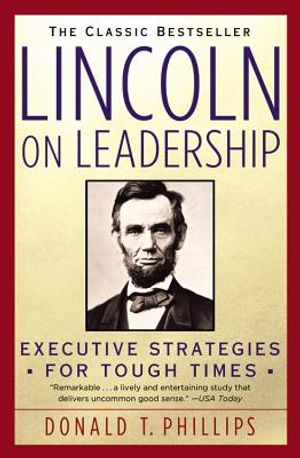
Abraham Lincoln’s leadership was grounded in humility, discipline, and emotional intelligence. He navigated extraordinary challenges while maintaining the trust of those around him. Phillips translates Lincoln’s approach into practical lessons that apply directly to modern legal and business environments. The reminder that influence is earned through consistency and integrity resonates deeply with the role lawyers play today, especially when advising boards and executives during high-stakes decisions.
The 7 Habits of Highly Effective People – Stephen R. Covey
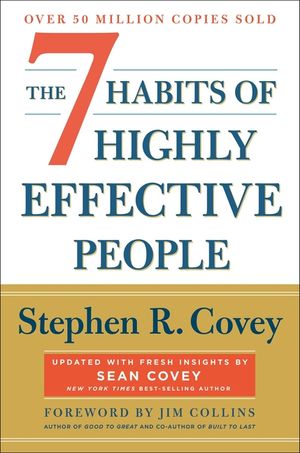
This book had a profound impact on how I think about personal leadership. Covey emphasizes accountability, focus, and intentional decision-making. His principle that you must lead yourself before you can lead others is especially relevant in the legal profession. Whether managing a complex transaction or advising on governance matters, discipline, preparation, and clarity of purpose make all the difference.
The Trusted Advisor – David H. Maister, Charles H. Green, and Robert M. Galford
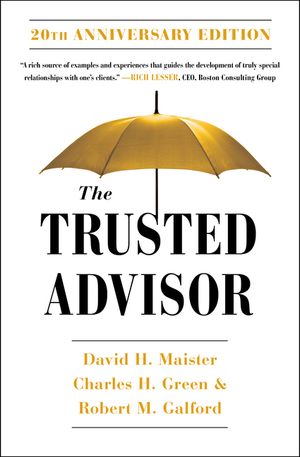
This book captures what many lawyers aspire to become. Technical competence is expected. What distinguishes truly effective lawyers is the ability to become trusted advisors. In my experience, the lawyers who have the greatest impact are those who listen carefully, understand the broader business context, and provide clear, thoughtful guidance. Trust is built over time, and it becomes the foundation for meaningful influence.
The First 90 Days – Michael Watkins
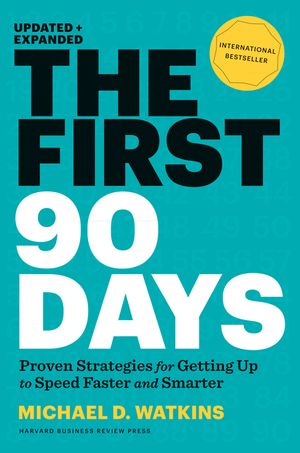
Every transition brings opportunity. Whether stepping into a new leadership role, joining a new organization, or advising on a major initiative, the early days matter. Watkins provides a practical framework for building credibility and momentum from the outset. I have seen how intentional leadership during these critical periods can shape outcomes and set the tone for long-term success.
These books have influenced how I practice, how I teach, and how I mentor others. They reinforce a simple but powerful idea. Leadership is not defined by a title. It is defined by trust, judgment, and the ability to help others navigate complex decisions with confidence.
For lawyers who aspire to lead, leadership is a skill that must be developed every day. It is one of the most meaningful ways we can contribute to the success of the people and institutions we serve.
Andrew Gratz is the Deputy General Counsel of Archrock, Inc. and Founder of the Initiative on Lawyers as Leaders at the University of Houston Law Center.

Here are five more My Five Favorite Books columns from our readers you might have missed:
Natalie LeVeck reveals her long-standing (and deeply ingrained) obsession with true crime.
Kristen Cook gravitates toward fiction, but she also enjoys mixing in leadership and business books.
Leigha Simonton’s reading list inspired by her secret hobby of advising high-school seniors (and younger students) about college admissions.
Five books that never fail to make Shamoil Shipchandler laugh.
A handful of books that have stayed with Melanie Koltermann long after the final chapter.