A lingering question was answered Wednesday when Gov. Greg Abbott announced in a news release that he is reappointing all 10 sitting Texas Business Court judges to two-year terms. The announcement comes about a month before the current terms are set to expire Sept. 1.
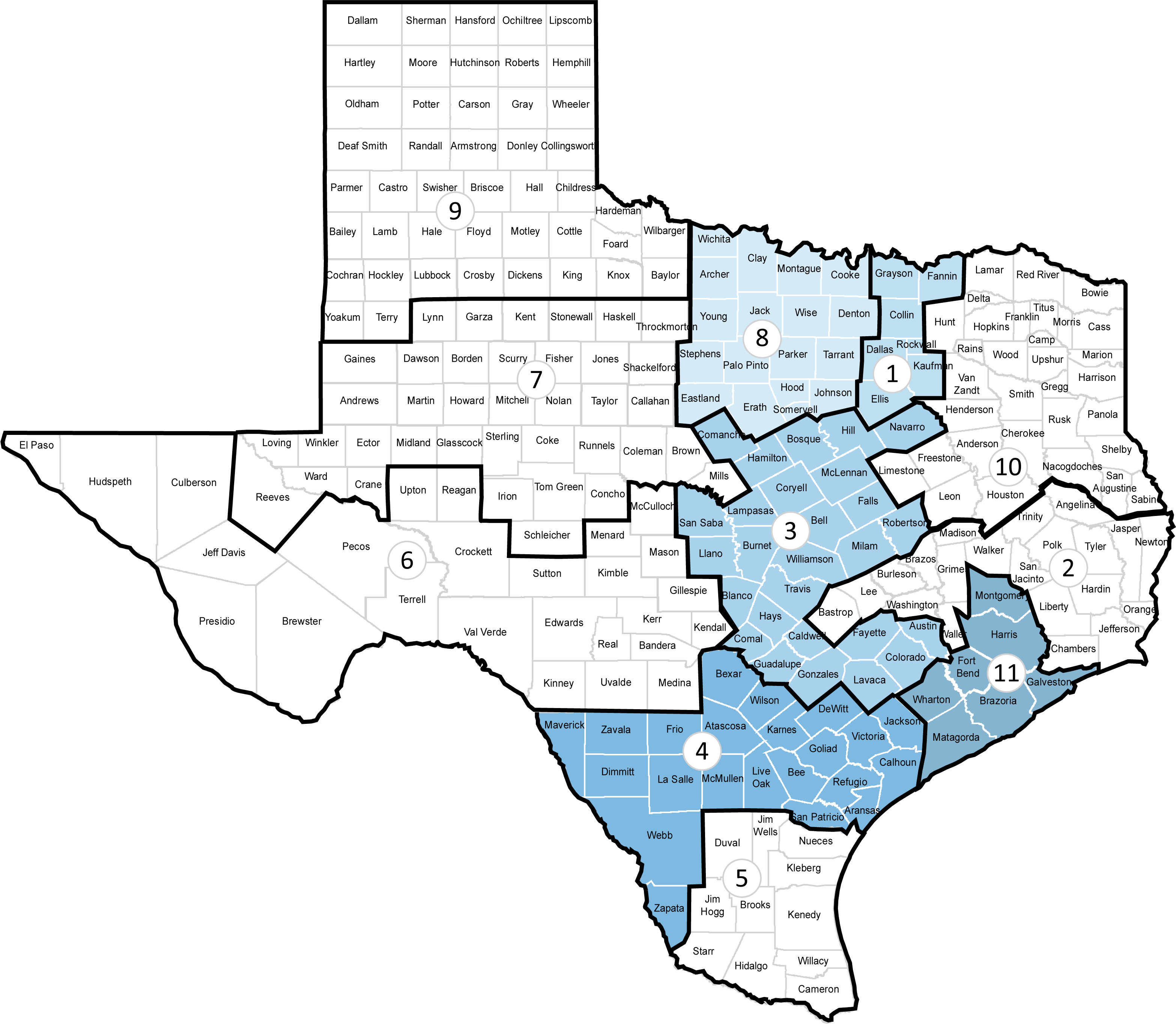
The Texas Business Court was created in 2023 and began accepting cases in September 2024. While lawmakers created 11 divisions, only five (covering the state’s most populous areas) are currently operational, with two judges serving each division.
“Businesses choose Texas in record numbers because Texas delivers results,” Gov. Abbott said in a statement. “The Texas Business Court has resolved complex commercial disputes with unmatched speed and expertise. Hundreds of cases already filed and scores resolved prove these judges fuel Texas’ status as the economic engine of America. I have reappointed these skilled judges to protect that success and to ensure that Texas’ business jurisprudence is on steady ground for years to come.”
By statute, the governor can only appoint a judge to a two-year term, and a constitutional amendment would be required to extend the terms to six years. Last year, The Lawbook published a two-part series looking at the first year of the new court’s operations. In those interviews, one sitting judge said he would like to see the Legislature address the two-year term limit issue.
Here’s a breakdown of the reappointed judges and where they sit:
First Division, Dallas and Surrounding Counties
- Judge Andrea Bouressa
- Judge William “Bill” Whitehill
Eighth Division, Fort Worth and Surrounding Counties
- Judge Jerry Bullard
- Judge Brian Stagner
Third Division, Austin and Surrounding Counties
- Judge Melissa Andrews
- Judge Patrick K. Sweeten
Fourth Division, San Antonio and Surrounding Counties
- Judge Marialyn Barnard
- Judge Stacy Sharp
Eleventh Division, Houston and Surrounding Counties
- Judge Sofia Adrogué
- Judge Grant Dorfman, who is also the court’s administrative presiding judge