Catching Up with Daniel Dutko on His Move to Kherkher Garcia
Dutko, who has tried more than 50 jury trials, visited with The Texas Lawbook about his practice, his best day as a lawyer, and emerging trends in plaintiffs' litigation.
Free Speech, Due Process and Trial by Jury

Dutko, who has tried more than 50 jury trials, visited with The Texas Lawbook about his practice, his best day as a lawyer, and emerging trends in plaintiffs' litigation.
An avalanche of high-stakes litigation related to rogue artificial intelligence activity is just around the corner, but there is a significant split in the Texas legal community about whether the
After deliberating for four hours Friday evening, a New Orleans jury awarded $10 million in damages finding that talc powder manufactured and sold by Johnson & Johnson “was a substantial cause of Lynne Roy’s mesothelioma.” The jury set J&J’s share at $1.2 million. The jury, which issued its verdict Friday at 9:47 p.m. after a three-week trial, found that J&J and five other defendants made products, including talc powder, that led to the 2020 death of the prominent Louisiana real estate agent’s death at the age of 76.
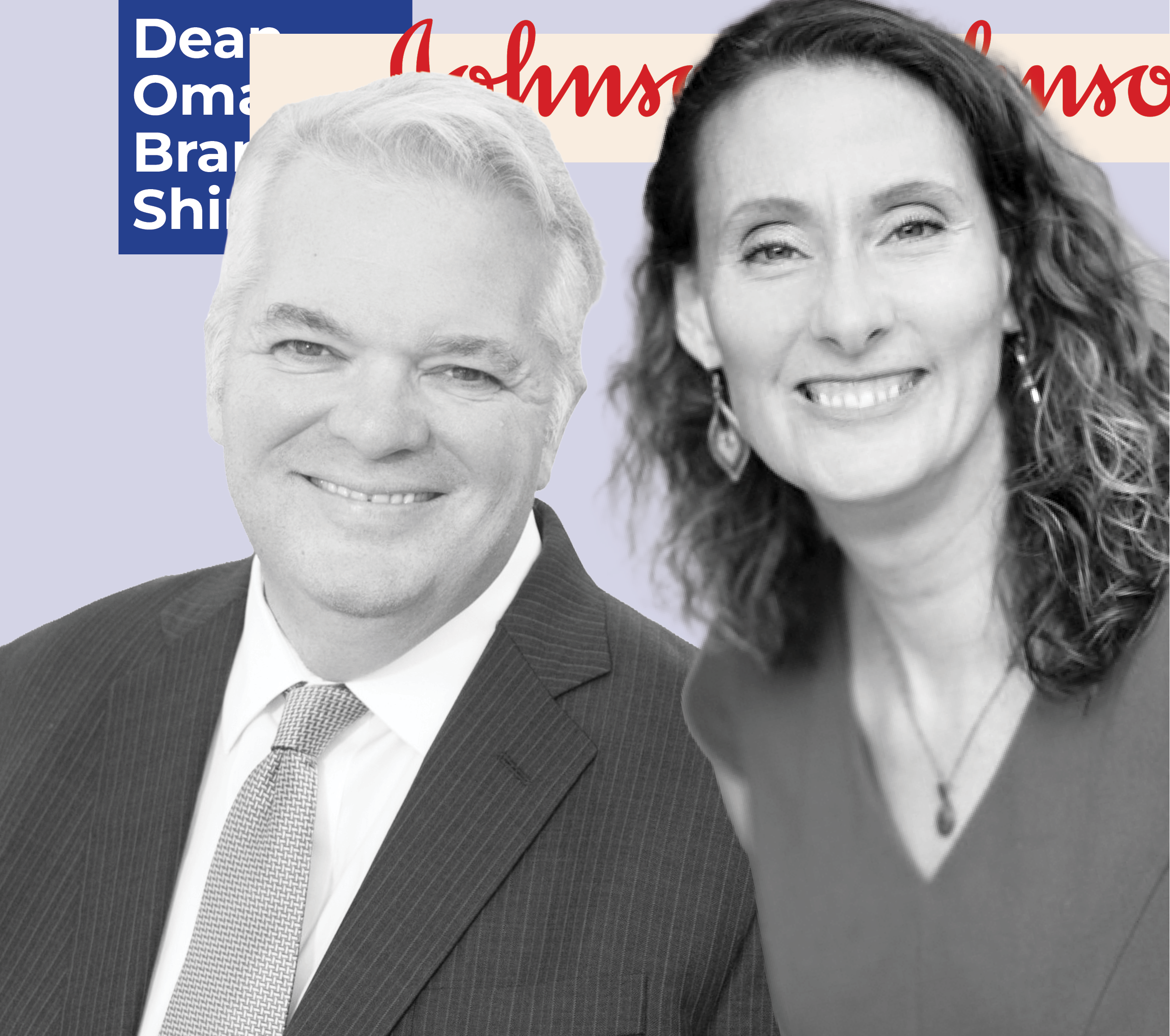
Dallas litigation boutique Dean Omar Branham Shirley — with 39 lawyers and 35 support staff — belongs to a small group of firms nationwide that continue to reject Johnson & Johnson’s offers to resolve all its mesothelioma talc litigation through firm-level settlement agreements. Instead, DOBS has taken J&J to trial one case at a time, across the country, facing a roster of major law firms, including Kirkland & Ellis, King & Spalding and Gibson Dunn. And they’re winning.
A Houston lawyer in Kelley Drye & Warren’s environmental law practice group served as lead trial counsel for the state of New Jersey, guiding historic $2.4 billion settlements in “forever chemical” litigation against DuPont and 3M that were finalized via consent orders by a federal judge last week. Jackson previously represented the state of Louisiana in Deepwater Horizon litigation.
“Your boss is a crook!” Arthur Golden, a partner at Davis Polk & Wardwell and a lawyer for Big Tobacco, screamed into the telephone in the fall of 1998. “A crook!”
On the other end of the line, Harry Potter, then a special assistant attorney general in Texas running the tobacco litigation, who was appointed three decades ago by then-Texas Attorney General Dan Morales to lead the historic lawsuit brought by the state of Texas against Big Tobacco. Potter and Golden had negotiated the details of the historic $15.3 billion settlement agreement between the state of Texas and large cigarette makers.
“Arthur was extremely angry — livid,” Potter said. “He talked about secret lawyer contracts. I didn’t know anything about it, but it sent chills throughout my body."
In Part II of The Texas Lawbook's series on the tobacco litigation, learn the story of the real Harry Potter, a Houston lawyer whose secret power was his ethics and commitment to the law.
Then-Texas Attorney General Dan Morales sued Big Tobacco for racketeering and fraud in 1996. Thirty years later, the litigation against the cigarette makers has proven to be an annual financial bonanza for the state of Texas — more than $15.8 billion so far and another $450 million payment expected any day now. And while less than one-tenth of one percent of the payments have gone to antismoking efforts, youth cigarette use overall has plummeted. In a two-part series, Mark Curriden, the former Dallas Morning News legal affairs writer who covered the tobacco litigation full-time for three years, looks back at the historic litigation and its impact three decades later.
Lawyers for five Ukrainian citizens who were injured or killed in Russian drone and missile attacks that allegedly used semiconductors and other technology made by American tech companies, including Texas Instruments, failed to state a legal cause of action in their federal lawsuit seeking hundreds of millions of dollars in damages, a federal judge ruled Wednesday. The judge is allowing the lawyers for the Ukrainians 28 days to refile their complaint to address his concerns about causation.
U.S. District Judge Sidney Fitzwater issued a 21-page decision that the Ukrainians’ claims are not preempted by federal law but that their case is dismissed because the lawsuit failed to show that the “defendant’s conduct is the cause in fact of a plaintiff’s injury” and that the defendant’s “act or omission was a substantial factor in bringing about the injuries, and without it, the harm would not have occurred.”
A Los Angeles jury hit Johnson & Johnson with a $32 million verdict in favor of the family of a woman who used the company’s baby powder for years and died of mesothelioma. Johnson & Johnson has vowed to "immediately appeal."
Lawyers from Dallas-based Simon Greenstone Panatier recently secured a $10.2 million jury verdict for a mesothelioma client in Minneapolis.
Tom Melsheimer and lawyers for Texas Instruments, Intel and two other tech companies told U.S. District Judge Sidney Fitzwater Tuesday that he should dismiss a potential precedent-setting case in which five Ukrainians injured or killed in Russian missile and drone attacks have sued for allegedly providing the microchips that guide the Russian weapons. Melsheimer told the judge that the plaintiffs’ lawsuits are fatally flawed because they fail to directly link the technology companies’ products to horrific attacks on Ukrainians, fail to show misconduct by the chip makers and failed to have filed their lawsuits in a timely manner.
Texas Instruments, Intel and two other semiconductor and technology companies are asking a Dallas federal judge to dismiss lawsuits brought by five Ukrainian citizens who claim that microchips, processors and programmable devices made by the four companies are being used by the Russian military in its war against Ukraine. A star-studded crew of trial lawyers on both sides of the litigation will present arguments Tuesday to U.S. District Judge Sidney Fitzwater.
© Copyright 2026 The Texas Lawbook
The content on this website is protected under federal Copyright laws. Any use without the consent of The Texas Lawbook is prohibited.