
My mother did not leave the Dominican Republic by choice. She left to survive.
Growing up under the Trujillo dictatorship was dangerous for her family. One of Trujillo’s generals (a childhood friend) divulged that her brother’s name appeared on a list of political dissidents targeted for assassination. My grandparents, whose parents had emigrated in the late 1800s to the Dominican Republic from Spain and Germany to build a shipping business, died tragically within a year of each other leaving ten orphans in country with an uncertain future. Together with three of her siblings, my mother fled to Puerto Rico, then eventually to New York, where she worked as a translator and executive assistant at Marine Midland Bank. She built a life and raised me in a home where Spanish was the language of family, food, and identity.
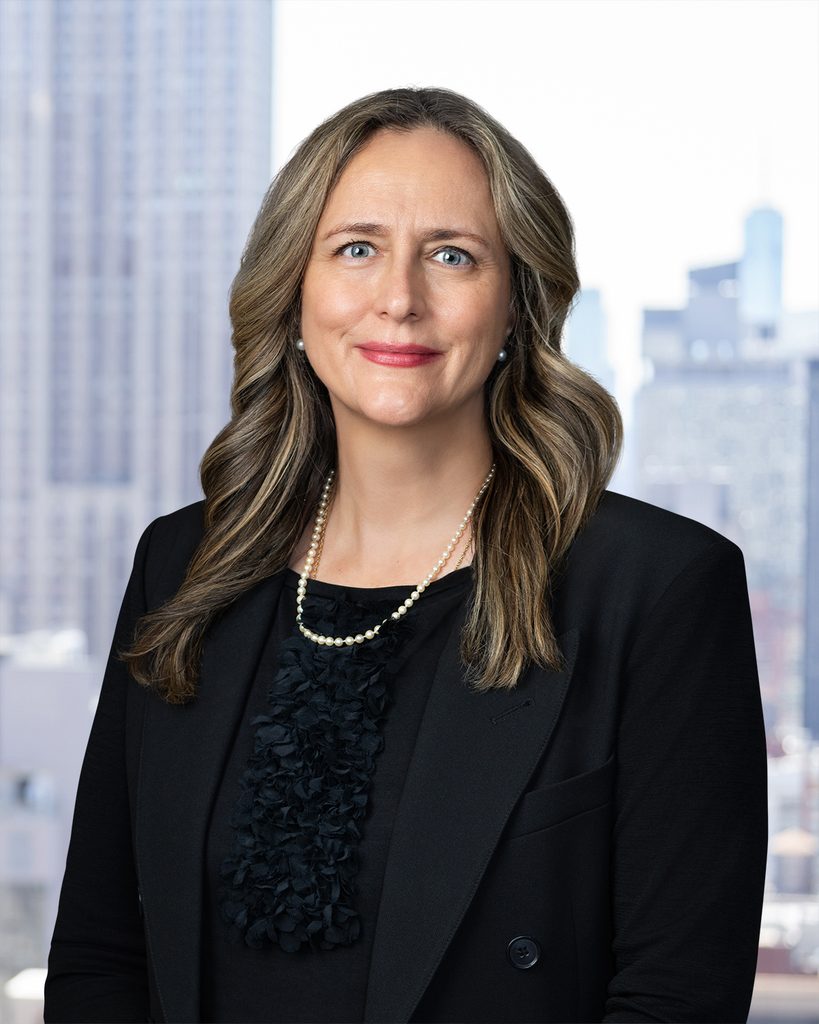
I grew up bilingual in New York, the daughter of an Italian-American father and a Dominican mother. I did not think much at the time about what that combination would mean for my career. I just knew both worlds were central to my identity.
Only later as a young associate at Milbank did I understand that moving naturally between those worlds was not simply part of my identity; it was a professional capability.
A Differentiator I Did Not Know I Had
Early in my career, being fluent in Spanish was not something I led with. But when Latin American deals came through the door, I became the person who could sit across the table and communicate, not just transact. My cultural fluency helped as well. I began building a project finance practice focused on the energy and natural resources sectors in Latin America, which seemed so natural.
As a senior associate, I worked closely with local counsel across Latin America, including assisting in developing deal structures and even regulations and legislation that enabled new project finance structures, all the while bridging cultural, language and legal differences.
More Than Transactions
In much of my work across Latin America I learned that the deal was not simply what was memorialized in the documents. It was in the dinners, the phone calls, the years of showing up and connecting on a personal level. Impersonal or hard-driving negotiating styles that might work in other contexts could fracture relationships that took time to build, including those across the table. In Latin America, your word and your reputation are the foundation. Without them, your credentials do not matter.
That is something I learned early and have carried into every deal since. Having a team with professional level fluency in Spanish and deep familiarity with the local business culture became a differentiator and a strategic necessity in many cases. The cultural nuances embedded in language directly affect how negotiations unfold, not to mention the ability to identify critical issues by reading the underlying documents in the original Spanish.
Visibility Changes What is Possible
The theme of this year’s Hispanic Heritage Month is “Pioneers of Change, Shaping the Future Together.” I have had the good fortune to witness many positive changes firsthand.
When I started my career, US lawyers who spoke Spanish were rare, and women in senior roles on major transactions were even rarer. That has changed.
I like to think that being visible in these transactions over the years has shifted something about what is possible and about who belongs. I hope, in some small way, I have contributed — not through a single breakthrough moment but a long accumulation of showing up in the language, in the culture, at the table, and making space for others to follow. My heritage was never just a part of my story. It was always a skill set and one that has served me well.
Melissa Raciti-Knapp is a partner in Vinson & Elkins’ Finance Practice in New York. She focuses on project finance for large energy and infrastructure projects, advising commercial banks, export credit agencies, multilaterals, developers and borrowers. Melissa has extensive experience in the United States and Latin America, where she and her team regularly negotiate and prepare documents in Spanish.