
Prominent white-collar defense and corporate securities lawyer Toby Galloway has joined Vartabedian Hester & Haynes, a 35-lawyer Fort Worth boutique that has witnessed significant growth since it was founded two years ago.
Galloway, who spent the last eight years as a partner at Winstead, joins former U.S. Attorney Richard Roper and former Assistant U.S. Attorney Richard Guiltinan, who joined the Vartabedian firm last August.
“VHH has experienced phenomenal growth and success in two short years,” Galloway told The Texas Lawbook Wednesday. “This is a firm of great trial lawyers, and I wanted to be a part of this team, especially given the firm’s commitment to white-collar and regulatory practice as demonstrated by other recent hires. With the firm’s impressive client roster, this is also a place where I can handle some of the most sophisticated business litigation in Fort Worth.”
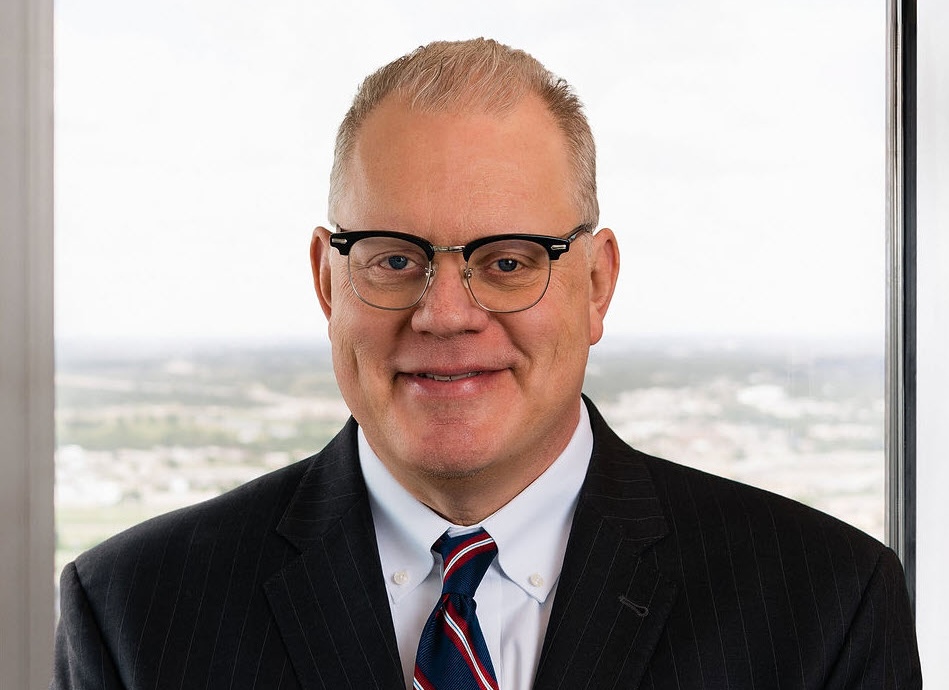
Galloway spent nearly a dozen years at the U.S. Securities and Exchange Commission, including four years as the federal agency’s lead trial counsel for the Fort Worth regional office.
Since 2013, he has publicly traded companies, corporate executives, financial institutions and investors facing government investigations, securities law enforcement and litigation.
“Adding a seasoned attorney with Toby’s high-level experience and leadership will be a great asset for the firm,” VHH Managing Partner Conrad Hester said. “We’re better positioned to respond to questions regarding financial reporting, insider trading claims and securities matters, and we expect this area of practice to continue to grow.”
The Lawbook interviewed Galloway about the move to VHH.
Texas Lawbook: VHH added Richard Roper a few months ago and now you. What is the strategic plan for the firm in approaching white-collar enforcement?
Toby Galloway: The firm has sought to hire prominent practitioners across the spectrum of white-collar enforcement, including both criminal and civil enforcement. Richard Roper is of course highly regarded as a white-collar criminal defense lawyer, but he also brings civil expertise to the table. Likewise, while my experience is more weighted toward civil enforcement, I represent clients in criminal investigations, too. The firm wants to develop a white-collar team that can handle any white-collar matter comprehensively, whether criminal, civil or both.
Lawbook: What are two or three of the biggest cases that you have handled during the past two years or are handling now, if you can identify them?
Galloway: In recent years, I have represented individuals in insider-trading investigations, both civil and criminal, that resulted in no charges being brought. I have also handled a number of other regulatory matters for broker-dealer and investment-adviser representatives, and I’m currently representing an individual in a DOJ criminal healthcare investigation.
Lawbook: What are the big trends in white-collar enforcement — specific kinds of cases — that you saw in 2025 and that you predict will happen in 2026?
Galloway: The SEC will continue to focus on bread-and-butter matters such as insider trading, offerings to mom-and-pop retail investors and conflict-of-interest disclosures by investment advisers. Healthcare enforcement will continue to be a priority for the DOJ, and I expect to see an uptick in prosecutions relating to tariffs and international trade.
Lawbook: Have you seen any changes in focus by the SEC’s FWRO during the past year? If yes, what are those changes?
Galloway: The changes have really been Commission-wide and not confined to the Fort Worth office. There’s a renewed emphasis on meat-and-potatoes cases like protecting retail investors as well as traditional SEC matters like insider trading.