
Prominent Houston plaintiffs lawyer Daniel Dutko was looking to further focus his practice earlier this year to work exclusively on personal injury cases, large catastrophic cases in particular.
Then managing partner at Rusty Hardin & Associates, Dutko began asking defense lawyers and plaintiffs lawyers he trusted for their thoughts on the best plaintiffs’ firms in Texas. His inquiry led him to Kherkher Garcia, which he joined in September.
Dutko, who has tried more than 50 jury trials, visited with The Texas Lawbook about his practice, his best day as a lawyer, and emerging trends in plaintiffs’ litigation.
The Texas Lawbook: What was the connection with Kherkher Garcia that initially led to discussions about you joining the team? Why did you decide to make the move?
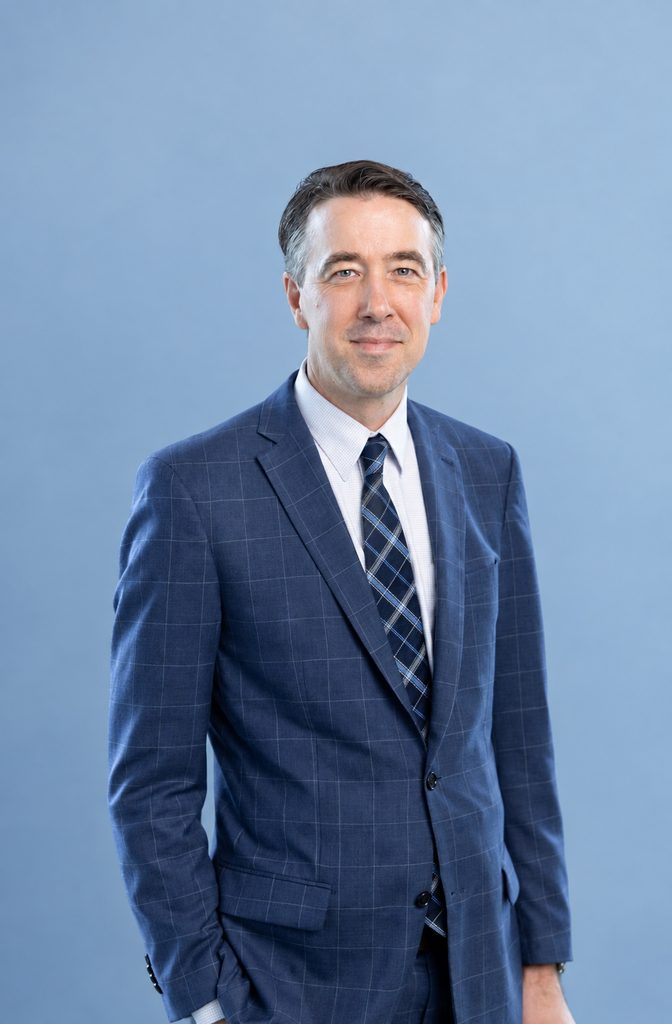
Daniel Dutko: I really enjoyed my time at Rusty Hardin & Associates but I knew that I wanted to work solely on plaintiffs’ personal injury cases, specifically large catastrophic cases. In early 2026, I began asking lawyers that I trust about the best plaintiffs’ firms in Texas. I asked both defense lawyers and plaintiff lawyers and, overwhelmingly, the answer was to talk to Kherkher Garcia. After speaking with many different firms, it became clear that this was the best firm for me.
The Lawbook: What are one or two of the most important trends that you are seeing in your trial practice?
Dutko: One of the biggest trends I am seeing in my trial practice is lazy use of AI. AI is an amazing tool that can help any lawyer, but only if used properly and with extreme caution. It goes without saying that nothing should be sent or filed that is written solely by AI. Everything needs to be thoroughly checked and edited. But more than that, you need to educate whatever AI program you are using: how you like things written, what your goals are, things you like and dislike, and more. There are so many resources available on how AI can help your practice, but it is a very delicate process and one that still requires human input to achieve the optimal results.
The Lawbook: Any emerging areas of plaintiffs litigation to note?
Dutko: Broker and shipper liability in trucking cases are both important areas of the law that continue to evolve. In light of the recent cases coming out of the U.S. Supreme Court and the Texas Supreme Court, determining the liability of shippers and brokers has become an important part of every trucking case. Finding lawyers who understand broker and shipper liability is imperative for all trucking cases.
The Lawbook: What has been your best day as a lawyer?
Dutko: The day I finished closing arguments in the Skaggs v. Los Angeles Angels trial. I spent years working on that case. I took more than 70 depositions, attended nearly 50 hearings, and spent three months in trial in California. At the end, when I turned the case over to the jury, I knew that I gave everything I had. No matter what the jury said, I knew I proudly represented the family of Tyler Skaggs and left everything on the field.
The Lawbook: How are you using AI in your practice?
Dutko: I use AI every day in my practice. It is an important tool for drafting letters, reviewing large quantities of documents, creating chronologies, making outlines, and staying organized. I try to learn as much as I can about how to properly use AI. It is amazing when used responsibly.
The Lawbook: What are two or three of the most important achievements over your career?
Dutko: Serving as the lead trial lawyer in Skaggs v. Los Angeles Angels, achieving a $46M verdict in a wrongful death case, as well as cross-examining witnesses on the floor of the Texas Senate during the impeachment of Ken Paxton.
The Lawbook: Are there specific pro bono efforts or public service projects that mean the most to you?
Dutko: Pro bono work has always been important to me. In my career, I have volunteered for Lone Star Legal Aid, taking on numerous free cases, and even defended an indigent defendant in a federal civil jury trial. But the most important pro bono work I have ever done was keeping an apartment complex from evicting an 89-year-old woman who couldn’t afford a massive rent increase. She had nowhere to go and didn’t know what to do, so she called my office in tears. When I spoke to her, I knew I had to help. After months of fighting the eviction on every technicality I could find, the apartment complex finally agreed to let her sign a new lease for an amount she could afford.
Publisher’s Note: This thought leadership sponsored content is published outside of the paywall and is publicly available.