
Though market demands have led many attorneys to specialize in narrow areas, Katten dealmaker Peter Bogdanow has been able to build a practice that reflects the broad training he received as a young attorney.
Last month was a great example. Bogdanow played a leading role in two very different transactions: a substantial restructuring where his private credit client exchanged debt for equity in its borrower and Processa Pharmaceuticals’ acquisition of Vidya Therapeutics, which also included a private placement financing by Processa.
Bogdanow kicked off the year co-leading, along with Mark Solomon, Highlander Partners’ purchase of the 55-year-old hot sauce brand Tapatio.
The Texas Lawbook discussed these three deals and more with Bogdanow in the following conversation.
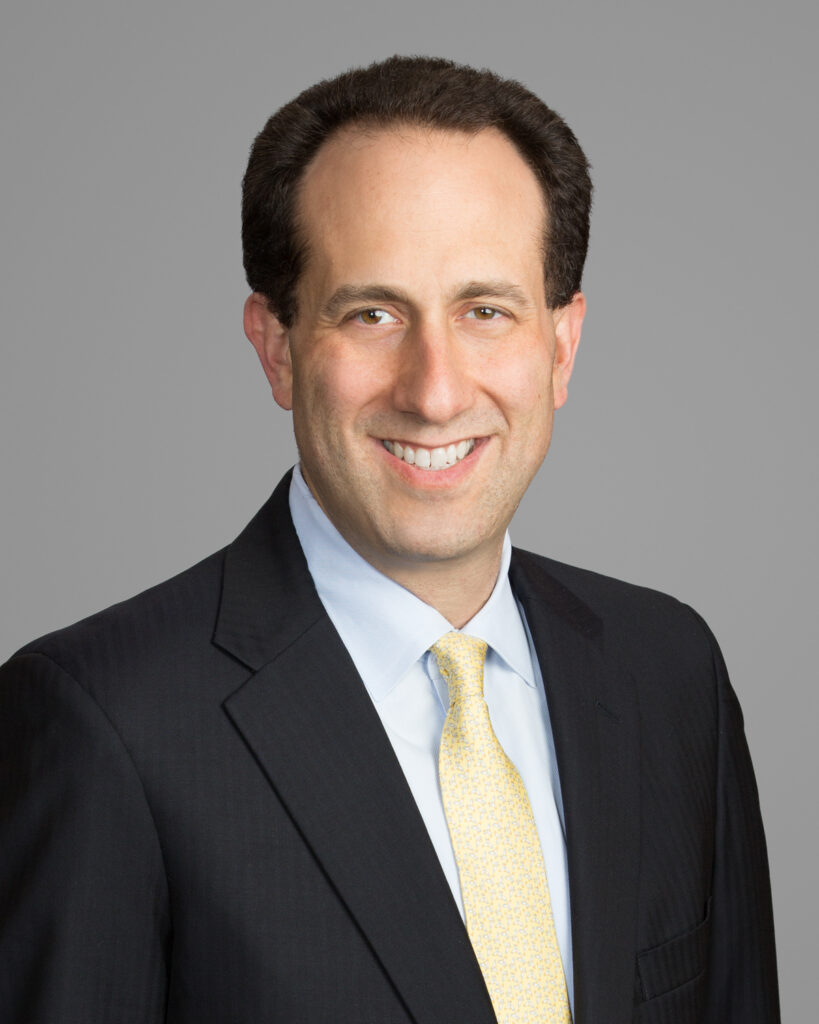
The Texas Lawbook: Being a Greenhill graduate, was the plan always to end up building your practice in Dallas?
Peter Bogdanow: I suspect the wise thing to do here would be to tell you that this was always the plan, but that would not be true. When I was graduating from high school I wasn’t thinking about the details of my career plan and didn’t know where I would end up. I spent 16 years living away from Dallas including college, law school and my early legal career. I’ve learned a lot from my path and I bring those lessons to my practice now, but there wasn’t a grand plan when I was 18.
The Lawbook: Tell us more about the transactions you have closed in the last month.
Bogdanow: We are seeing a lot of debt for equity exchanges where our private credit clients are taking over borrowers that are in default. There’s a lot of third party data out there indicating these transactions are occurring on a more frequent basis, especially with companies that were acquired at high valuations in 2021. These debt for equity exchanges are very complicated and take a lot of time.
Regarding the Processa deal, I’m excited that we’ve opened our office in Miami with new lateral Josh Kaufman. He adds new capabilities in an active region and enhances our capital markets and life sciences capabilities. This transaction started as he was walking in our doors and closed quickly (as you would expect for a transaction of this type).
The Lawbook: From your vantage point, how has middle-market M&A deal flow actually felt over the past 12 to 18 months compared to what Katten’s last couple of Middle-Market Private Equity Reports have been predicting? Any curveballs you weren’t expecting?
Bogdanow: Our reports generally indicated that the future was uncertain, and that has certainly played out. By and large that was mostly predicable although I don’t know that many people had conflict in Iran on their list of macro conditions that could affect transactions.
The Lawbook: In today’s environment, what creative capital structures are you seeing sponsors use most often to get middle‑market deals closed?
Bogdanow: We continue to see a lot of preferred and other similar junior capital structures. We are seeing a lot of distressed situations where sponsors are having to put more money in directly or through some form of guaranty. Alternatively, the sponsor seeks a third party to provide senior equity capital or a Holdco note. Finally, and not a surprise, but we continue to see a lot of continuation funds.
The Lawbook: Katten’s middle‑market PE work gives you a unique window into sponsor thinking. Are funds in your deals more focused right now on platform acquisitions or on smaller bolt-ons that can be integrated into existing portfolios?
Bogdanow: They tend to be focused on add-ons.
The Lawbook: Which industries in the middle market feel most insulated from macro volatility right now and which feel most exposed?
Bogdanow: The service sector is less affected by tariffs, inflation and political conflict. Any business that is dependent on the supply of goods or is affected by the price of oil is having a hard time. It is never that black and white and there are certainly sectors that benefit from higher prices. We’ve also all seen the decline in software valuations having a big impact on the market and that is carrying over into transactions as well.
The Lawbook: What are the top diligence issues that are now defining deals in the middle market space?
Bogdanow: Your readers will be very shocked to hear me say AI and cybersecurity.
The Lawbook: What’s your read on the Texas middle-market scene in terms of funding and M&A? It seems healthier and more robust than most other areas of the country? Are there any unique headwinds?
Bogdanow: Just as a lot of large companies are moving to Dallas, so are a number of private equity funds. The private equity market was already strong, but it is getting stronger. We are also seeing a number of other financing sources here, including the growth of family offices and more institutional players. Just looking out my window I can see all the buildings going up and now I can see the TXSE ticker! There’s a lot of growth here and that’s certainly good for a dealmaking environment.
The Lawbook: Finally, how “spicy” was Highlander’s acquisition of Tapatio (announced in January)?
Bogdanow: Very! It’s very fun to be able to close a deal that involves a recognizable brand. I can’t tell you how many of my colleagues have said how much they love Tapatio. It’s definitely a brand that has higher levels of awareness in certain parts of the country. It is based on the West Coast but it is well known in parts of the Midwest as well. Highlander has been very successful in the food space. They have the experience and judgment to take the company to the next level. I’m excited to see what comes next.