Not Serious, Substantial, or Similar: SCOTUS Holds Title VII Transfer Claimant Must Show Only ‘Some Harm’
The ruling is likely to result in more discrimination cases about job changes surviving defense challenges and moving forward to trial.
Free Speech, Due Process and Trial by Jury
The ruling is likely to result in more discrimination cases about job changes surviving defense challenges and moving forward to trial.
The U.S. Supreme Court on Tuesday unanimously revived the lawsuit that the U.S. Fifth Court of Appeals had dismissed with a one-paragraph ruling. Daniel Charest of Burns Charest, who is the lead trial attorney for the landowners, was confident about the outcome of the case when he was present for oral arguments in January and heard what he viewed as an important admission from Texas Solicitor General Aaron L. Nielson, who was arguing for the state.
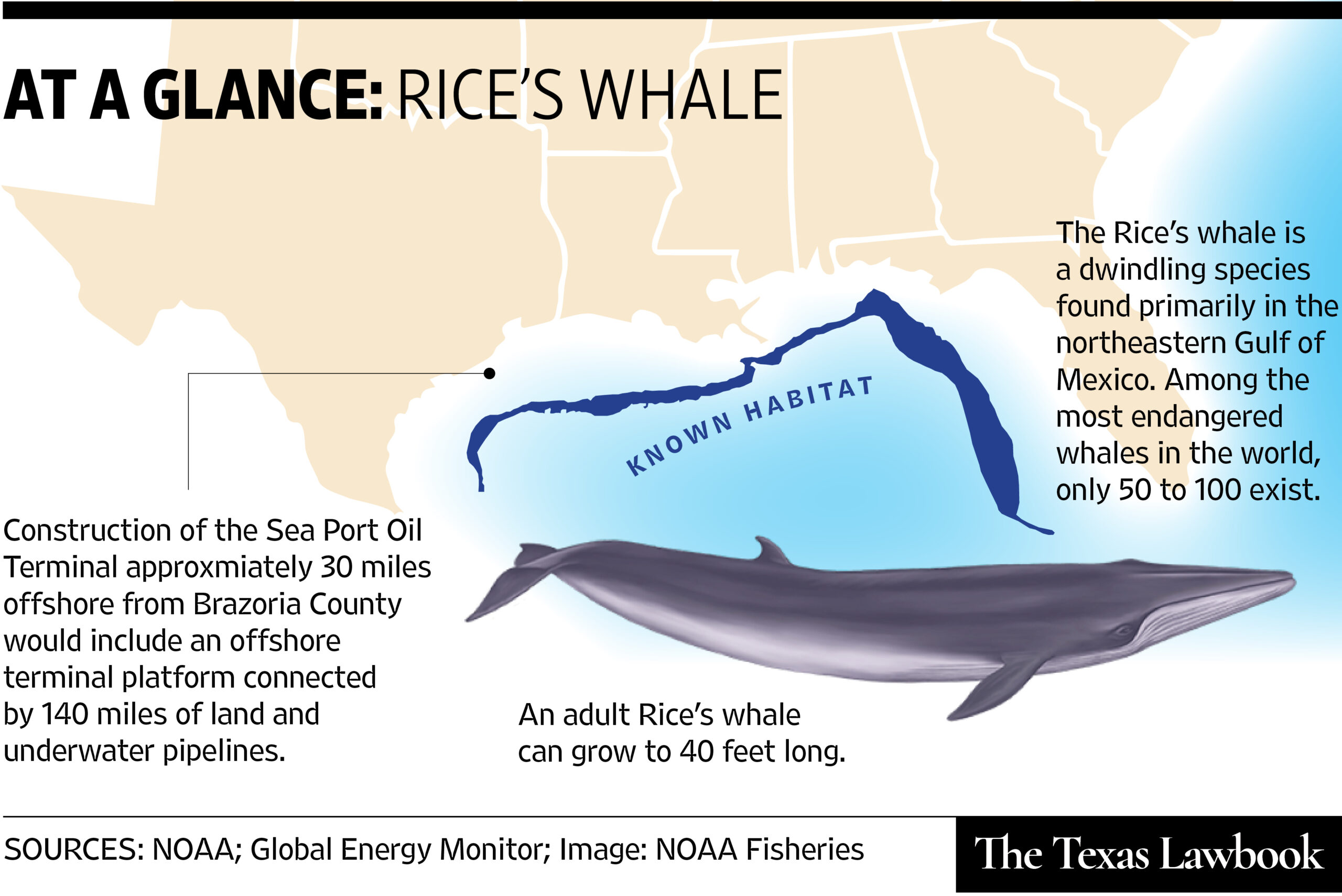
In a decision filed Thursday, the U.S. Fifth Circuit upheld the federal permitting for the Sea Port Oil Terminal project, a massive crude pipeline network and storage facility to be located off the Texas coast. The appeals court refused a demand by environmental groups that the U.S. Maritime Administration revisit the environmental impact of the project for its potential harm to the ecological balance in the Gulf of Mexico and the possible extinction of the endangered Rice's whale.
Just east of Austin, Martin Marietta Materials and TXI Operations operate a sand and gravel mine on the banks of the Colorado River. Their neighbor across the river, on the northern bank, is Good River Farms, a 377-acre pecan farm containing about 8,000 trees that has been owned and operated by the Wimberly family since 1959. This lawsuit was spawned from a major rain event — described as a 120-year flood — that hit the area on Oct. 30, 2015.
A doctrine intended to keep courts from second-guessing official actions of foreign governments was front-and-center during oral arguments Tuesday before a Fifth Circuit panel tasked with deciding whether to revive a lawsuit brought by a family that alleges a work of art sold under duress to a Nazi art dealer in the 1930s belongs to them and not the Museum of Fine Arts, Houston.
Texas’ direct-to-consumer sales law is similar to Louisiana’s. A decision from the U.S. Court of Appeals for the Fifth Circuit panel could have implications for Texas, where Tesla has unsuccessfully lobbied to overturn the law.
The Texas Fourteenth Court of Appeals in Houston ruled Tuesday that 20,000 plaintiffs in wrongful death, personal injury and other Winter Storm Uri-related lawsuits seeking billions of dollars in damages from Texas electric transmission and distribution utilities may move forward to trial. The three-judge panel unanimously ruled that trial judge Sylvia Matthews was correct in allowing allegations of gross negligence and intentional misconduct to proceed against the TDUs, which include CenterPoint Energy, Oncor Electric Delivery and American Electric Power, but that charges of common-law negligence and strict-liability nuisance are prohibited by state law. Legal experts say the Fourteenth Court’s opinion is a partial win for both sides.
Within the same week, two separate teams of associates from Haynes Boone prevailed in two pro bono cases that protect the Eighth Amendment rights of an extremely sleep-deprived inmate whose health has suffered and an intellectually disabled inmate on death row. The Lawbook spoke to one lawyer on each team to learn more about the cases, how their firm got them and what the outcomes mean on a micro and macro level.
Dr. Azul Shirazali Jaffer is being sued by Michelle Maestas in Fort Bend County district court for allegedly sexually assaulting her as she woke up in the recovery room in October 2022 following a breast augmentation procedure. A Houston appellate court this week agreed with the Fort Bend County district judge who declined to dismiss the suit in July 2023.
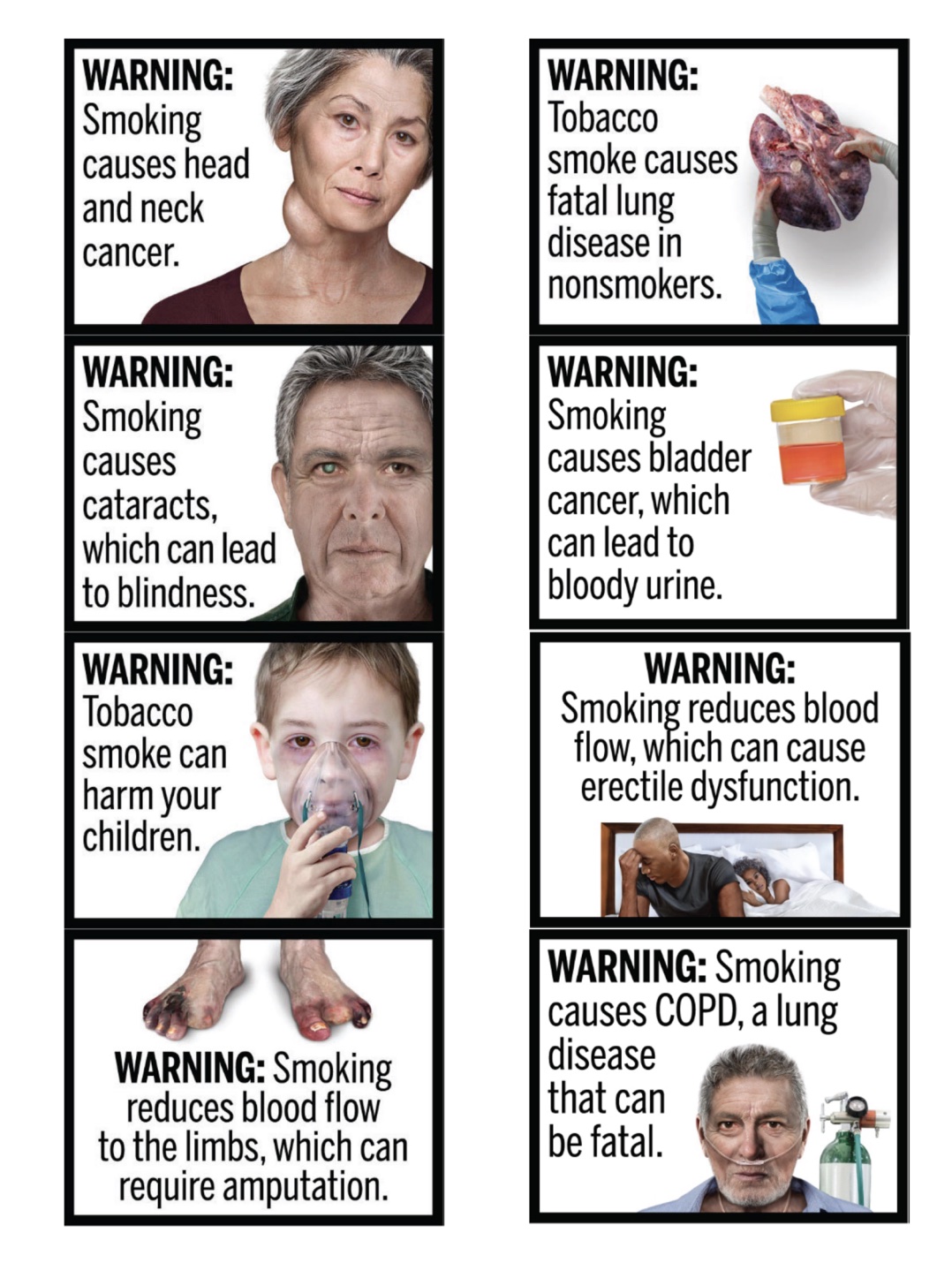
R.J. Reynolds and other cigarette makers learned Thursday that forum shopping does not always pay off. The tobacco companies strategically filed a constitutional challenge to the FDA's newest cigarette warning labels in East Texas believing the jurisdiction to be favorable, especially on appeal to the U.S. Court of Appeals for the Fifth Circuit, which the companies viewed as pro-commercial free speech and increasingly distrustful of federal government regulation and overreach. But they figured wrong.
© Copyright 2026 The Texas Lawbook
The content on this website is protected under federal Copyright laws. Any use without the consent of The Texas Lawbook is prohibited.